Plastic vs Wood Toilet Seats: Which Is Better?
Plastic seats resist stains and moisture and are easy to keep clean; wood seats feel heavier, warmer and more solid. Here is how each material really compares.

We may earn a commission when you buy through links on this page, at no extra cost to you. Learn more
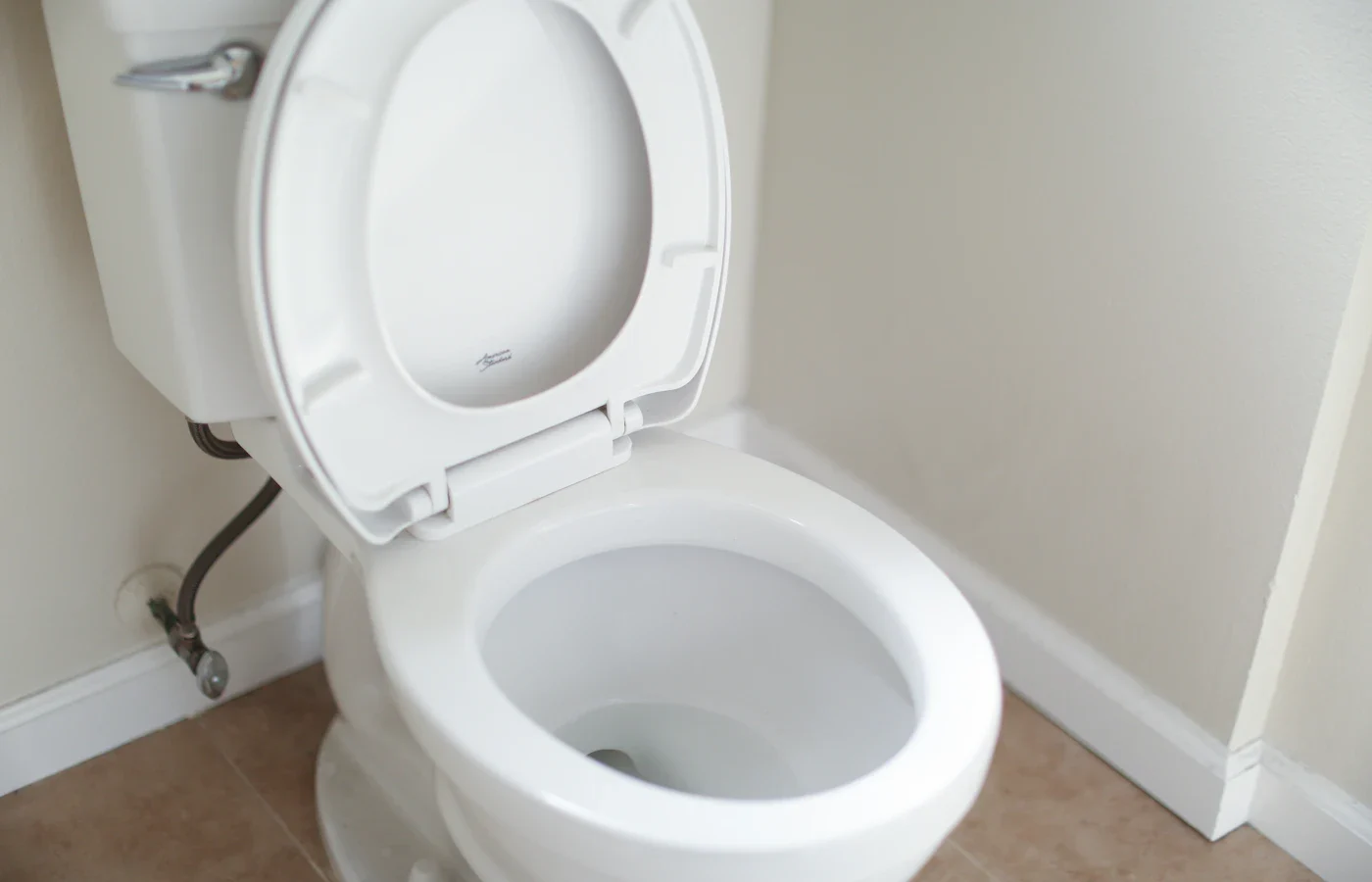
For most bathrooms, a good plastic toilet seat is the more practical choice: it shrugs off moisture, doesn’t chip, and is easy to keep clean. A wood seat is the better pick if you want a heavier, more solid feel, a seat that doesn’t feel cold in winter, or a painted or natural-grain look that plastic can’t match.
The catch is that “plastic” and “wood” each cover very different materials. A thin, budget polypropylene seat and a hard thermoset seat are both “plastic,” and a molded wood seat is really a wood composite under a coat of enamel, not a plank of oak. This guide explains each material, then compares them on durability, hygiene, comfort, chipping, staining, weight, soft-close options and cost so you can match the seat to your household.
The four seat materials, explained
Seat makers use a handful of materials. Product listings don’t always use the same names, so it helps to know what is behind each label.
Polypropylene (thermoplastic)
Polypropylene, often shortened to PP, is the most common plastic for everyday toilet seats. It is a thermoplastic, which means it softens with heat and can be injection-molded into shape. Duravit describes PP as a comparatively soft material that is relatively inexpensive, easy to care for and recyclable, but potentially more susceptible to scratches than harder seat materials.
In practice, that softness has an upside: a PP seat flexes a little instead of cracking, and the color runs all the way through the material, so a scuff doesn’t reveal a different color underneath. The downside is that a cheap, thin PP seat can feel flimsy and may show fine scratches over time.
Thermoset plastic (Duroplast and urea)
Thermoset seats are made from resins that harden permanently when they cure. In Europe they are often sold as “Duroplast,” and the resin is commonly urea-based. Duravit says urea is a hard, stable material whose main feature is its scratch-resistant finish, and that thermoset seats are particularly robust and durable. Its slow-close seat page also describes thermoset as repelling dust, water and dirt.
Thermoset seats feel denser and glossier than PP, closer to ceramic. They usually sit in the mid-range to premium price tiers and are common on designer and European-made seats, including many seats sold to match specific toilets.
Molded wood (enameled wood)
Molded wood is the material most Americans picture when they think of a “wood” toilet seat, especially the classic glossy white seat. It is not cut from a single board. Instead, fine wood particles are combined with a resin binder, pressed into the seat shape, and then painted or enameled. A retailer listing for a Bemis seat describes the process as mixing recycled wood flour with a thermoset material and molding it to shape.
Bemis, a long-established US seat maker, sells many seats labeled “molded wood,” “high-density molded wood” or “enameled wood.” Its descriptions for enameled wood seats claim a high-gloss finish that resists chipping and scratching. The company’s own history notes that it switched to a water-based sealer on its painted wood seats in 1990. The key point: the surface you touch on a molded wood seat is paint or enamel, and the composite core underneath needs that coating intact to stay protected from moisture.
Solid wood
Solid wood seats are cut and shaped from natural hardwood (or bamboo, which is technically a grass) and finished with a clear lacquer or varnish so the grain shows. They suit rustic, farmhouse, spa and traditional bathrooms. Like molded wood, they rely on their finish for protection, and the grain lines and joints give dirt and moisture more places to settle if the finish wears through.
Plastic vs wood: side-by-side comparison
This table summarizes the typical trade-offs. Individual seats vary, so treat it as a starting point and check the specific model’s listing.
| Factor | Polypropylene | Thermoset (Duroplast) | Molded / enameled wood | Solid wood |
|---|---|---|---|---|
| Feel | Lightweight, slightly flexible | Dense, hard, glossy | Heavy, solid, flat | Heavy, natural texture |
| Warmth to the touch | Moderate | Can feel cool, like ceramic | Feels warmer than most plastics | Feels warm |
| Scratches | Shows fine scratches more easily | Highly scratch-resistant | Finish can scratch | Finish can scratch or wear |
| Chipping | Does not chip; color is molded in | Rarely chips | Paint can chip and expose the core | Finish can crack or peel |
| Moisture | Unaffected | Unaffected | Fine while the coating is intact | Can swell or stain if finish fails |
| Cleaning | Easiest | Easy | Gentle cleaners only | Gentle cleaners only |
| Typical price tier | Budget to mid-range | Mid-range to premium | Budget to mid-range | Mid-range to premium |
| Best for | Kids, rentals, busy bathrooms | Modern bathrooms, long life | Classic look, solid feel | Decor-led, low-traffic rooms |
Durability: which lasts longer?
Durability depends less on “plastic vs wood” than on the specific failure you’re trying to avoid.
- Cracking. Thin, budget plastic seats are the most likely to crack, usually near the hinge posts, because that is where the load concentrates. Thicker PP and thermoset seats are much sturdier. Molded wood seats are heavy and rigid and rarely crack in normal use.
- Chipping. This is the classic weak spot of painted wood. Drop something hard on the seat, or let the lid slam repeatedly, and the paint can chip, exposing the composite underneath. Plastic seats don’t chip in the same way because the color goes all the way through.
- Scratching. Thermoset is the most scratch-resistant option. PP is softer and can show fine scratches from abrasive pads. Wood finishes sit in between and depend on the quality of the coating.
- Hinges. In many cases the hinge fails before the seat does. Loose or corroded hardware is the most common complaint about any seat, so look at hinge material and fastening design as closely as the seat material.
For a seat that will take abuse from kids or guests, plastic usually wins on durability. For a seat in a quiet adult bathroom, a well-made molded wood seat can last for years as long as the finish isn’t damaged.
Hygiene and cleaning
No seat material is “germ-proof,” and the biggest hygiene factor is simply how often and how well you clean. Material still matters, though, because it decides how forgiving the surface is.
Plastic seats have a non-porous, molded-through surface. You can wipe them with ordinary bathroom cleaners, and minor scuffs don’t open up the material underneath. That’s why plastic is the default in commercial restrooms.
Molded and solid wood seats are only as hygienic as their finish. While the enamel or lacquer is intact, the surface cleans up much like plastic. Once it chips, cracks or wears through, moisture and dirt can reach the wood underneath, and that area is difficult to clean properly. Replace a wood seat whose finish has broken down rather than trying to scrub it.
Cleaning tips that apply to both:
- Use a soft cloth with mild soap and water for routine cleaning, and dry the hinges afterward.
- Avoid abrasive pads and scouring powders, which scratch plastic and wear through wood finishes.
- Many seat makers warn against bleach and harsh chemicals on seats, especially wood. If you use bleach in the bowl, lift the seat and lid until it is rinsed away.
- Choose a seat with quick-release or lift-off hinges if you like to clean around the hinge posts, where grime tends to collect.
- Check your seat’s care instructions. Some warranties exclude damage caused by the wrong cleaners.
Comfort and warmth
Comfort comes down to shape, contour and temperature.
Temperature. Wood conducts heat poorly, so a wood seat tends to feel less cold on first contact in a chilly bathroom. Thermoset can feel cool and hard, much like the porcelain of the bowl. Polypropylene sits in the middle. If a cold seat is your main complaint, though, neither material solves it as well as an electric heated seat. Our heated toilet seats buying guide covers those.
Contour. Plastic is easy to mold into contoured shapes, so many plastic seats have a gently sloped, sculpted surface. Molded wood seats are often flatter. Neither is better in absolute terms; it depends on what you find comfortable.
Stability. A heavier wood seat tends to feel planted, while a lightweight plastic seat can shift if its bumpers or fasteners are loose. Many better plastic seats address this with grip bumpers or locking fasteners. Kohler, for example, uses Grip-Tight bumpers on several of its plastic seats to stop sideways shifting.
Staining and discoloration
White seats of any material can yellow or stain over time from cleaning products, hair dye, cosmetics and sunlight. Molded-in color in plastic seats means that surface stains can often be cleaned off without exposing a different layer. Painted wood seats are more vulnerable because harsh stain removers can dull or damage the paint, and once the paint is damaged there is no fixing it without refinishing. Natural wood can darken where it is repeatedly wet.
If you’re matching a colored toilet such as biscuit or bone, check the seat maker’s color chart. Shade names vary between brands, and a near-match can look obviously off next to the bowl.
Weight and installation
Wood seats are noticeably heavier than plastic. That weight is part of their appeal, since it makes them feel solid and quieter when lowered, but it also means a slammed wood lid hits harder. Weight also matters if you remove the seat often for cleaning or if someone in the household has limited hand strength.
Installation is the same for both: two bolts through the holes at the back of the bowl. Before buying, confirm the bowl shape. Measure from the center of the bolt holes to the front edge of the rim; about 16.5 inches indicates a round bowl and about 18.5 inches an elongated bowl. Our toilet seat measuring guide walks through it, and round vs elongated toilet seats explains the fit and comfort differences.
Soft-close: available in both
Slow-close hinges are widely available on both plastic and wood seats. Brands use their own names: Kohler calls its version Quiet-Close, and Bemis uses Whisper-Close. A damper in the hinge lowers the seat and lid gently instead of letting them drop.
Soft-close is worth having on any seat, but it’s especially useful on a wood seat. It eliminates the slam that chips painted finishes, cuts noise, and helps protect small fingers. If you’re comparing two otherwise similar seats, the one with a slow-close hinge and quick-release hardware is usually the better buy.
See plastic soft-close seats on AmazonCost: what you get at each tier
Prices change often, so check current listings, but the general tiers look like this:
- Budget. Basic polypropylene seats and basic molded wood seats, usually with plain plastic or metal hinges and few extras.
- Mid-range. Thicker plastic or molded wood seats with slow-close, quick-release hinges and locking fasteners. This is the sweet spot for most homes.
- Premium. Thermoset/Duroplast seats designed to match specific toilets, solid hardwood seats, and seats with decorative metal hinges.
Beyond these sit heated seats and electric bidet seats, which are almost always plastic because they house heating elements, water lines and electronics. If you’re considering one of those, see are smart toilet seats worth it?
Which seat suits which home?
Choose plastic if…
- Young children use the bathroom and the seat will be dropped, stood on or banged.
- It’s a rental, a guest bath that sees heavy use, or a basement bathroom with high humidity.
- You want to clean with ordinary bathroom products without worrying about the finish.
- You want a modern, sleek seat (look for thermoset for the hardest, glossiest surface).
Choose molded wood if…
- You like a heavier seat that feels sturdy and stays put.
- Your bathroom gets cold and you want a seat that feels less chilly.
- You want a classic glossy look or a painted color, and you’ll clean with mild products.
Choose solid wood if…
- The seat is part of your decor, such as a natural-grain finish in a farmhouse or spa-style bathroom.
- It’s a lower-traffic bathroom where the finish won’t be tested daily.
What we like
- Plastic: moisture-proof, does not chip, easy to clean
- Thermoset: very scratch-resistant and durable
- Wood: heavy, solid, warmer feel
- Wood: classic painted or natural-grain look
Things to consider
- Budget plastic can feel flimsy and scratch
- Thermoset costs more and can feel cool
- Painted wood can chip and expose the core
- Wood needs gentle cleaners and an intact finish
Frequently asked questions
Are wood toilet seats unhygienic?
Not while the finish is intact. A sealed or enameled wood seat cleans up much like plastic. The concern starts when the paint chips or the lacquer wears through, because the exposed wood or composite can absorb moisture and is hard to clean. Replace a wood seat once its finish breaks down.
Is molded wood real wood?
Partly. Molded wood is made from wood particles combined with a resin binder, pressed into shape and then painted or enameled. It’s a wood composite, not a solid board, which is why it’s smooth, uniform and usually painted rather than showing grain.
Which lasts longer, plastic or wood?
It depends on the seat and how it’s treated. Thick plastic and thermoset seats tolerate rough use and harsh cleaning better. A good molded wood seat can last a long time in a careful household, but chips in the finish shorten its life. Hinges often wear out before either material.
Why does my plastic seat shift sideways?
Usually the bolts have loosened or the seat lacks grip bumpers. Tighten the hardware, and when replacing the seat, look for one with stabilizing bumpers or a locking fastening system that is designed to stay tight.
Can a heated or bidet seat be wood?
Electric heated and bidet seats are almost always plastic, because the seat has to contain heating elements, wiring and, for bidets, water lines. If you want warmth, a heated plastic seat is warmer than any unheated wood seat.
Next steps
Measure your bowl first with our measuring guide, then decide on material using the checklists above. If you’re thinking about an upgrade beyond a basic seat, compare options in heated toilet seats and our best smart toilet seats roundup. Browse more guides in the guides section.