Bidet Wash Modes Explained: Oscillating, Pulsating, Aerated
What rear, front, oscillating, pulsating, aerated, massage and turbo bidet modes actually do, plus how pressure, temperature, nozzle position and presets fit in.

We may earn a commission when you buy through links on this page, at no extra cost to you. Learn more
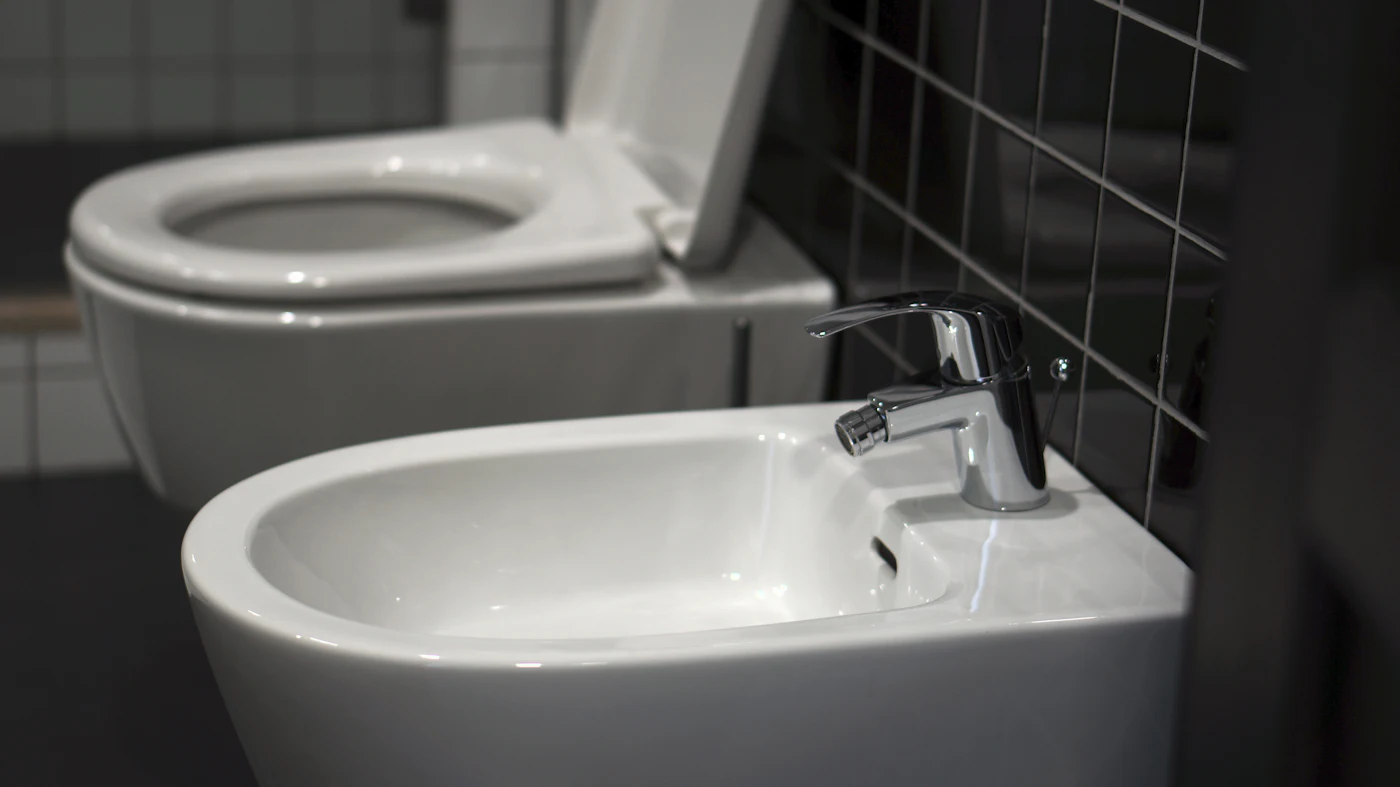
Bidet wash modes control where the water goes and how it feels: rear and front (feminine) washes aim the spray, while oscillating, pulsating and aerated modes change the motion and texture of the stream. On an electric bidet toilet seat, you can usually layer these with adjustable pressure, water temperature and nozzle position, then save your favorite combination as a user preset.
The names vary by brand, which makes comparing seats confusing. One maker’s “massage” is another’s “pulse,” and “turbo,” “vortex” and “enema” modes mean different things on different seats.
This guide explains each common mode in plain language, who it tends to suit, and which settings matter most when you shop.
The two basic washes: rear and front
Rear wash
The rear wash, sometimes called posterior or “cleansing” wash, is the core function of every bidet. The nozzle extends from under the back of the seat and sprays upward toward the rear. It is designed for cleaning after a bowel movement.
On most electric seats, the rear wash uses a relatively narrow, focused stream. You can usually adjust its pressure and move the nozzle forward or back to match your body and how you sit.
Front (feminine) wash
The front wash, often labeled “feminine wash” or “bidet” on the remote, sprays from a position further forward and at a different angle. It’s typically gentler and wider than the rear wash, designed for cleaning the front area. Despite the name, anyone can use it.
Seats handle the front wash in two ways. Many use one nozzle with separate spray openings for front and rear. Others use separate nozzles. The Brondell Swash 1400, for example, has two separate retractable stainless steel nozzles, one for each wash, according to Brondell.
If you’re shopping for a bidet with feminine wash, check that the seat actually offers a dedicated front wash. Some basic non-electric attachments are rear-only.
Wide or “rear-plus” washes
Some seats add a variation on the rear wash with a wider or stronger spray. Alpha Bidet lists rear, rear-plus and front washes on the JX2. Brondell describes wide and concentrated spray patterns on the Swash 1400. These give you more control over how focused the stream feels without switching to a different mode entirely.
Spray motion modes
Motion modes change how the spray behaves during the wash. They can usually be combined with either the rear or front wash.
Oscillating
In oscillating mode, the nozzle moves back and forth during the wash. That sweeping motion covers a larger area than a fixed stream, so you don’t need to shift your position or adjust the nozzle mid-wash.
Oscillation is one of the most widely offered modes. TOTO, Bio Bidet and Alpha Bidet all list it on the models we researched. It’s a good default for anyone who wants thorough coverage without fiddling with settings.
Pulsating
Pulsating mode, sometimes called “pulse” or “massage,” varies the water pressure in a rhythm, alternating stronger and softer bursts. People often describe the sensation as a gentle massage.
TOTO lists a dual-action spray that oscillates and pulsates on the WASHLET S7A, and Bio Bidet lists a pulse option on the BB-2000. Some users like pulsating mode for comfort; others find it unnecessary. It’s worth having if you like variety, but it isn’t essential.
Massage
“Massage” is not a single standard mode. Depending on the brand, it might mean pulsating pressure, a combination of oscillating and pulsating, or a cycling pattern that alternates both. Read the manual or listing to see what a given seat means by it.
Spray texture: aerated wash
An aerated (or air-infused) wash mixes air bubbles into the water stream. The result tends to feel softer and fuller than a solid stream at the same pressure, which is why many seat makers highlight it as a comfort feature.
TOTO describes the WASHLET S7A’s wash as aerated warm water, and Brondell lists aerated water on the Swash 1400. On some seats aeration is always on; on others it’s a selectable setting. If you’re looking for an aerated bidet wash specifically, check the listing wording, since some brands use their own trademarked names for the feature.
Aerated washes suit people who find a solid stream too sharp or who are sensitive to pressure. Because they feel gentler, some people pair aeration with a higher pressure setting.
Stronger and specialty modes: turbo, vortex and “enema” washes
Some seats include modes designed to deliver a stronger or more concentrated spray. Names include “turbo,” “power wash,” “vortex,” “enema” or “stimulation” mode.
- Turbo or power wash typically raises pressure beyond the normal settings for a more forceful clean.
- Vortex describes a swirling spray pattern on some seats. Bio Bidet lists both vortex and turbo washes on the BB-2000.
- Enema-type or “stimulation” modes use a concentrated, stronger stream. Some manufacturers market these as helping with regularity.
Approach these modes with care. Start at the lowest setting and increase gradually. Bidets are designed for external cleansing, and if you’re considering using any mode for a bowel or digestive concern, talk to your doctor first.
Settings that shape every mode
Named modes get the attention, but the adjustable settings behind them often matter more day to day.
Water pressure
Every electric seat and most non-electric bidets let you adjust pressure. Electric seats typically offer several preset levels on the remote, while mechanical bidets use a dial that you turn further for more flow. Start low; pressure that feels fine for the rear wash can feel too strong for the front.
Your home’s water pressure also plays a role. If spray feels weak on every setting, check that the inlet filter isn’t clogged; our maintenance checklist explains how.
Water temperature
Electric seats heat the water and let you choose from several temperature levels. Alpha Bidet, for example, lists a water temperature range of 93 to 104°F for the JX2. Non-electric bidets usually spray cold water unless they connect to a hot water line.
How the seat heats water affects comfort. Tankless or on-demand seats, such as the TOTO WASHLET S7A, Brondell Swash 1400 and Alpha JX2, warm water as it flows, so the temperature stays steady during a long wash. Tank-style seats can run cooler if the reservoir empties. Bio Bidet describes the BB-2000’s heating as a hybrid system providing continuous warm water.
Nozzle position
Nozzle position adjustment moves the spray forward or backward so it lands where you need it. People of different heights and builds sit differently, so this setting is important in shared homes. Brondell lists seven nozzle positions on the Swash 1400, and TOTO, Bio Bidet and Alpha all list adjustable nozzle or spray position.
Spray width
Some seats let you choose between a wide and a narrow, concentrated stream. A wider spray covers more area gently; a narrower one feels more targeted. This is separate from oscillation, which moves the nozzle itself.
User presets
Presets save your preferred mode, pressure, temperature and position so you can recall them with one button. TOTO lists memory settings for four users on the WASHLET S7A, while Brondell and Alpha list two user presets on the Swash 1400 and JX2. If several adults share the toilet, presets save a lot of adjusting.
Auto and one-touch modes
Many seats offer an automatic cycle that runs a wash followed by the dryer. Bio Bidet lists a one-touch auto wash-and-dry cycle on the BB-2000. These are convenient for guests, children and anyone who prefers not to navigate a remote.
Bio Bidet BB-2000 (Bliss)
BB-2000
A feature-rich bidet seat with rear, front, vortex and turbo washes, a one-touch auto wash-and-dry cycle and both a remote and a side panel.
- Rear, front, vortex and turbo wash modes
- Oscillating and pulsating spray
- Stainless nozzle that self-rinses before and after use
- Warm-air dryer and deodorizer
- Wireless remote plus side control panel
Check first: The 4-ft power cord limits where the outlet can be.
Researched, not hands-on tested Specs checked against the manufacturer’s page, November 2026.
Wash modes at a glance: who each suits
Use this table as a quick guide. Everyone’s preferences differ, so treat it as a starting point.
| Mode or setting | What it does | Who it may suit |
|---|---|---|
| Rear wash | Focused spray toward the rear | Everyone; the core bidet function |
| Front (feminine) wash | Gentler, wider spray from a forward position | Anyone cleaning the front area, including during menstruation |
| Oscillating | Nozzle sweeps back and forth | People who want wide coverage without adjusting |
| Pulsating / massage | Pressure varies in a rhythm | People who like a massaging sensation |
| Aerated | Air mixed into the water for a softer, fuller stream | People sensitive to pressure or who want a gentle wash |
| Wide / concentrated spray | Changes stream width | Anyone who wants to fine-tune feel |
| Turbo / power wash | Stronger, more forceful spray | People who prefer a firm wash; start low |
| Vortex | Swirling spray pattern | People who like variety in spray feel |
| Enema-type / stimulation | Concentrated, stronger stream | Use with caution; ask a doctor about any bowel concerns |
| Warm water | Adjustable water temperature | Nearly everyone, especially in colder climates |
| User presets | Saves each person’s settings | Shared households |
| Auto wash-and-dry | Runs wash then dryer with one press | Guests, children, people with limited reach |
How many wash modes do you really need?
More modes don’t automatically mean a better seat. For most households, the essentials are:
- Rear and front washes
- Adjustable pressure with a low enough minimum
- Warm water with adjustable temperature
- Adjustable nozzle position
- Oscillation for easy coverage
Pulsating, aerated, vortex and turbo modes are worthwhile extras if they appeal to you. User presets become important as soon as more than one adult uses the toilet. If accessibility is a priority, features like auto wash-and-dry, a clearly labeled side panel and a backlit remote can matter more than any spray mode. Our smart bathroom accessibility guide covers this in detail.
Comparing modes across our researched picks
Based on manufacturer pages:
- TOTO WASHLET S7A: aerated warm-water wash with oscillating and pulsating action; adjustable position, temperature and pressure; four user memories.
- Bio Bidet BB-2000: rear, front, vortex and turbo washes, with oscillation and pulse; adjustable pressure and position; one-touch auto mode.
- Brondell Swash 1400: separate front and rear nozzles; aerated water with wide and concentrated patterns; seven nozzle positions; two user presets.
- Alpha JX2: rear, rear-plus and front washes with oscillation; stated water temperature range of 93 to 104°F; two user presets.
| Product | Best for | Heated seat | Water heating | Bowl shape | Power | Warranty | Link |
|---|---|---|---|---|---|---|---|
| TOTO WASHLET S7A | Premium, hands-free features | Yes | Tankless (instant) | Elongated | 120V GFCI outlet required | 2-year limited (residential) | Check Price for TOTO WASHLET S7A (opens Amazon in a new tab) |
| Bio Bidet BB-2000 (Bliss) | Wide range of wash modes | Yes, adjustable | “Hybrid” continuous warm water | Round or elongated | 120V GFCI within 4 ft | 3-year | Check Price for Bio Bidet BB-2000 Bliss (opens Amazon in a new tab) |
| Brondell Swash 1400 | Separate front and rear nozzles | Yes | Tankless (on-demand) | Round or elongated | 120V, 3.5-ft cord | Limited 3-year tiered | Check Price for Brondell Swash 1400 (opens Amazon in a new tab) |
| Alpha JX2 | Value-focused tankless design | Yes | Tankless | Round or elongated | 120V, 4-ft grounded cord | 3-year | Check Price for Alpha JX2 bidet seat (opens Amazon in a new tab) |
Specifications from manufacturer product pages, checked November 2026. Models and availability change — confirm details on the listing before you buy. No prices are shown because they change frequently.
Want a seat with a dedicated front wash? Most electric bidet seats include one, but confirm in the listing before you buy.
See options on AmazonFrequently asked questions
What’s the difference between oscillating and pulsating?
Oscillating moves the nozzle back and forth to cover a wider area. Pulsating keeps the nozzle in place but varies the water pressure in a rhythm. Many seats let you use them together.
Is an aerated bidet wash better?
It’s a matter of preference. Aerated washes tend to feel softer and fuller, which can make higher pressures more comfortable. Others prefer a solid, focused stream. If you’re sensitive to pressure, aeration is worth looking for.
Can men use the feminine wash?
Yes. The front wash simply sprays from a more forward position at a gentler setting. Anyone can use it to clean the front area if they find it helpful.
Do non-electric bidets have wash modes?
Usually just one or two. Many non-electric attachments and seats offer a rear wash and sometimes a front wash, with a dial for pressure. Oscillating, pulsating and aerated modes generally require an electric seat. See our bidet seat vs. attachment comparison.
Is it safe to use high-pressure or enema-type modes?
Follow the manufacturer’s instructions and start at the lowest setting. If you have any medical condition or are considering a mode for bowel or digestive reasons, ask your doctor first.
Next steps
When comparing seats, focus on rear and front washes, adjustable pressure, warm water, nozzle position and presets. Treat specialty modes as bonuses. For specific models, see our best smart toilet seats of 2026, learn how nozzles stay clean in self-cleaning bidets explained, or use the comfort prioritizer to rank the features that matter to you.