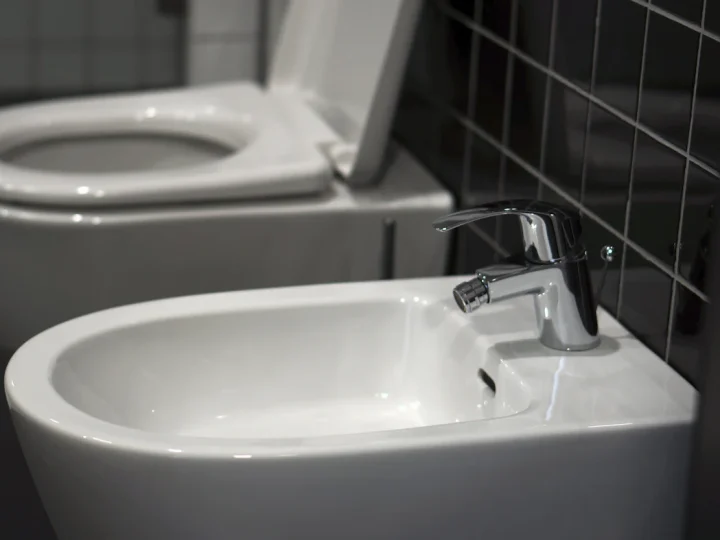
Bidet Toilet Seat vs. Bidet Attachment: Which Is Right for You?
Electric bidet seats, non-electric bidet seats and under-seat attachments compared: how each works, what it needs to install and who it suits best.

We may earn a commission when you buy through links on this page, at no extra cost to you. Learn more
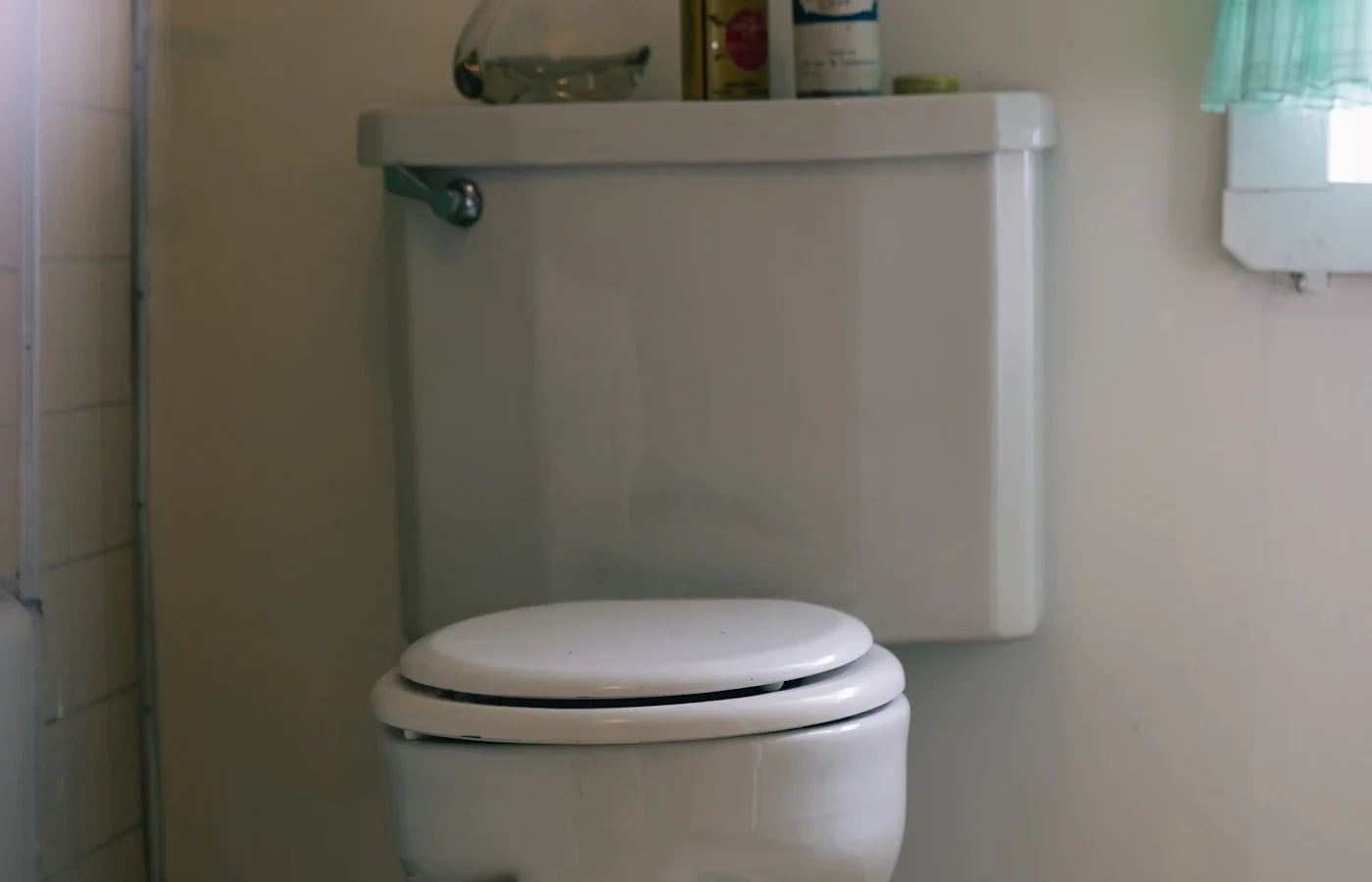
A bidet attachment is the cheapest, simplest way to add washing to your toilet, while an electric bidet toilet seat costs more but adds warm water, a heated seat, a dryer and more control. A non-electric bidet seat sits in between: it replaces your seat without needing an outlet. Which is right for you depends mostly on whether you have power near the toilet, how much comfort you want and your budget.
All three types connect to the same cold water line that fills your toilet tank, and all three can be installed by most handy homeowners. The real differences are in what happens after you sit down.
This guide explains how each type works, what it needs, and who it suits, with a comparison table to help you decide.
The three types at a glance
People often use “bidet attachment” and “bidet seat” interchangeably, but they are different products. Here’s what each term usually means.
Under-seat bidet attachment
An attachment is a thin plate with a spray nozzle that slips between your toilet bowl and your existing seat. You loosen the seat bolts, slide the attachment in, retighten, and connect a hose to the toilet’s water supply with a T-valve. A dial or lever on the side controls the spray.
Attachments are mechanical. They use your home’s water pressure to drive the spray, so there is nothing to plug in. Most spray cold water only, though some include a second hose that connects to the hot water line under a nearby sink.
Non-electric bidet seat
A non-electric bidet seat replaces your toilet seat entirely, with the wash nozzle built into the seat itself. Like an attachment, it is powered by water pressure and controlled by a mechanical dial or lever, usually on the side of the seat.
Because the hardware is integrated, these seats tend to look cleaner than an attachment and avoid the slight lift an attachment can add to your existing seat. Features vary, but some include a front wash, a self-rinse for the nozzle or a slow-close lid.
Electric bidet toilet seat
An electric bidet seat, often called a smart toilet seat, also replaces your seat but adds electronics. It plugs into a 120V outlet and uses a built-in heater to warm the water, either from a small tank or on demand. A pump, valves and a control board manage spray pressure, nozzle position and wash modes.
Typical features include a heated seat, warm-air dryer, deodorizer, nightlight, wireless remote or side panel, and user presets. Higher-end models add automation such as an automatic lid or bowl pre-mist. For examples, see our best smart toilet seats of 2026.
Side-by-side comparison
This table summarizes the typical differences. Individual products vary, so always check the specific listing.
| Factor | Bidet attachment | Non-electric bidet seat | Electric bidet seat |
|---|---|---|---|
| Replaces your seat? | No, fits under it | Yes | Yes |
| Power needed | None | None | 120V outlet, GFCI protection recommended or required |
| Water temperature | Cold; some models offer a hot-water hookup | Cold; some models offer a hot-water hookup | Warmed by a tank or tankless heater, adjustable |
| Heated seat | No | No | Yes, usually adjustable |
| Dryer | No | No | Usually |
| Controls | Dial or lever | Dial or lever | Remote and/or side panel, user presets |
| Wash modes | Rear; some add front | Rear; some add front | Rear, front, and often oscillating, pulsating or other modes |
| Nozzle cleaning | Varies; some self-rinse | Varies; some self-rinse | Usually self-rinsing; some add extra cleaning features |
| Typical cost | Budget | Budget to mid-range | Mid-range to premium |
| Best for | Trying a bidet, renters, tight budgets | No-outlet bathrooms, cleaner look | Comfort, shared households, accessibility |
Installation: what each type involves
All three types connect to the toilet’s water supply in a similar way. You shut off the water, flush to empty the tank, disconnect the supply hose from the tank and add a T-adapter. One side of the T feeds the toilet tank, and the other feeds the bidet. Then you turn the water back on and check for leaks.
Attachments are usually the quickest to install, since you keep your existing seat and only need to slide the unit under it. The catch is that your seat must sit flat on top of the attachment; some seats with built-in bumpers or unusual hinges may not sit well.
Non-electric seats require you to remove your old seat and install a new mounting plate, then slide the seat on. It’s a little more work than an attachment but still a manageable DIY job.
Electric seats follow the same mounting process, plus you route the power cord to an outlet. Check the cord length and which side it exits from before you buy. Our installation guide covers each step.
Power and water requirements
Power
Attachments and non-electric seats need no power at all, which is their biggest advantage. Many older bathrooms have no outlet near the toilet, and adding one can involve running a new circuit or extending an existing one.
Electric seats need a 120V outlet within reach of the cord. Manufacturers typically specify or recommend a GFCI-protected outlet. For example, Bio Bidet specifies a 120V GFCI outlet within 4 feet for the BB-2000, and TOTO calls for a 120V GFCI outlet behind the toilet for the WASHLET S7A. Manufacturers generally advise against extension cords.
If you need a new outlet, hire a licensed electrician. Electrical codes restrict outlet placement near tubs and showers, and recent code editions include specific provisions for bidet seats. Your electrician will know which rules your local jurisdiction follows.
Water
All three types use your home’s normal water pressure. Electric seats warm water in one of two ways:
- Tank-style heating keeps a small reservoir of warm water ready. It can cool off during a long wash or when several people use the seat back to back.
- Tankless or on-demand heating warms water as it flows, so it doesn’t run out. The TOTO WASHLET S7A, Brondell Swash 1400 and Alpha JX2 all use this approach, according to their makers.
Non-electric options with a hot-water hookup draw warm water from the sink’s hot line. That means running a hose from under the sink to the toilet, which works only if the sink is close by. The water may also take a moment to warm up, just as it does at the tap.
Comfort features
This is where the categories really separate. An attachment or non-electric seat does one job: it sprays water. You control the pressure with a dial, and on dual-nozzle or dual-setting models, you can choose between rear and front washing.
Electric seats add a long list of comfort features:
- Warm water with adjustable temperature, which is usually more comfortable than cold water, especially in winter.
- Heated seat with adjustable levels.
- Warm-air dryer to reduce or replace toilet paper for drying.
- Adjustable nozzle position and spray pattern, including oscillating and pulsating modes on many models.
- Deodorizer that pulls air through a filter while you’re seated.
- Remote control and user presets so each person can save preferred settings.
- Nightlight for late-night trips.
If you want to understand what each spray setting does, read our guide to bidet wash modes.
Hygiene considerations
Any bidet nozzle sits inside the toilet bowl, so how it stays clean matters. Most electric seats retract the nozzle when not in use and rinse it with clean water before and after each wash. Some go further. TOTO says its EWATER+ feature uses electrolyzed water to help keep the wand and bowl clean, while Brondell and Bio Bidet both describe stainless steel nozzles that self-rinse.
Attachments and non-electric seats vary more. Better models include a retractable nozzle, a guard gate that covers the nozzle when not in use, or a self-rinse setting that flushes the nozzle with fresh water. Basic models may leave the nozzle exposed.
Whichever type you choose, you’ll still need to clean the nozzle area and seat by hand from time to time. Our explainer on how self-cleaning bidets work covers what these features can and can’t do.
Who each type suits
A bidet attachment suits you if…
- You want the lowest-cost way to try a bidet.
- There’s no outlet near the toilet and you don’t want to add one.
- You rent and want something easy to remove when you move.
- You’re happy with your current toilet seat.
Non-electric bidet attachments
Product category
A thin attachment that fits under your existing seat and runs off the toilet’s water supply — no electricity required.
- Keeps your current toilet seat
- Mechanical dial or lever control
- No outlet or wiring needed
Check first: Features vary widely by brand — check each listing.
Researched, not hands-on tested General product category — compare individual listings before buying.
A non-electric bidet seat suits you if…
- You have no power near the toilet but want a cleaner, more integrated look than an attachment.
- Your current seat is worn out and you need a new one anyway.
- You want a simple, mechanical design with few parts to fail.
An electric bidet toilet seat suits you if…
- You want warm water, a heated seat and a dryer.
- Several people use the toilet and you want saved user presets.
- You have, or are willing to add, a GFCI-protected outlet near the toilet.
- Someone in the home has limited mobility or reach. Features like a warm-air dryer, remote control and automatic functions can make toileting more independent. See our smart bathroom accessibility guide for more.
To compare specific electric models, here’s how our researched picks line up next to a non-electric attachment:
| Product | Best for | Heated seat | Water heating | Bowl shape | Power | Warranty | Link |
|---|---|---|---|---|---|---|---|
| TOTO WASHLET S7A | Premium, hands-free features | Yes | Tankless (instant) | Elongated | 120V GFCI outlet required | 2-year limited (residential) | Check Price for TOTO WASHLET S7A (opens Amazon in a new tab) |
| Bio Bidet BB-2000 (Bliss) | Wide range of wash modes | Yes, adjustable | “Hybrid” continuous warm water | Round or elongated | 120V GFCI within 4 ft | 3-year | Check Price for Bio Bidet BB-2000 Bliss (opens Amazon in a new tab) |
| Brondell Swash 1400 | Separate front and rear nozzles | Yes | Tankless (on-demand) | Round or elongated | 120V, 3.5-ft cord | Limited 3-year tiered | Check Price for Brondell Swash 1400 (opens Amazon in a new tab) |
| Alpha JX2 | Value-focused tankless design | Yes | Tankless | Round or elongated | 120V, 4-ft grounded cord | 3-year | Check Price for Alpha JX2 bidet seat (opens Amazon in a new tab) |
| Non-electric bidet attachments | Lowest cost, no outlet needed | No | None (cold water on most models) | Most round and elongated toilets | None | Varies by brand | Compare Options for non electric bidet attachment (opens Amazon in a new tab) |
Specifications from manufacturer product pages, checked November 2026. Models and availability change — confirm details on the listing before you buy. No prices are shown because they change frequently.
Fit and compatibility
Attachments are the most forgiving on fit, since they sit under your existing seat and work on most round and elongated toilets. Bidet seats, whether electric or non-electric, must match your bowl shape, so measure before you buy.
Also check that the toilet has enough space between the seat bolts and the tank for the seat’s rear housing. Electric seats have a larger housing than non-electric ones. One-piece toilets with unusual bowl shapes can be tricky for any seat. Our measuring guide shows how to check.
Frequently asked questions
Is a bidet attachment as good as a bidet seat?
For basic washing, an attachment does the same core job: it sprays water to clean you. What it lacks are comfort features such as warm water, a heated seat, a dryer and fine-grained controls. For some households that is all they need; others find cold water uncomfortable and prefer an electric seat.
Can I install a bidet attachment or seat myself?
Most people with basic tools can install any of the three types, since each connects to the existing water supply with a T-adapter. Call a plumber if your shutoff valve is stuck or leaking, and hire a licensed electrician if an electric seat needs a new outlet.
Do bidet attachments work with any toilet?
They fit most standard round and elongated toilets, but not all. Toilets with integrated seats, unusual hinge designs or very little space between the bolts and tank may not work. Check the product listing’s compatibility notes before you order.
Do electric bidet seats use a lot of electricity?
Usage depends on the model and settings. Tankless seats heat water only when needed, and some makers publish standby figures. For example, Alpha Bidet lists an idle draw of 5 to 8 watts for the JX2. Using eco or power-saving modes can reduce consumption further.
Is a bidet more hygienic than toilet paper?
Washing with water is a different approach from wiping alone, and many users simply prefer how it feels. If you have a specific medical condition, such as hemorrhoids or a skin condition, ask your doctor whether a bidet is appropriate and which settings to use.
Next steps
If you have no outlet near the toilet or want to spend as little as possible, start with a bidet attachment. If comfort matters and you have a GFCI outlet nearby, an electric bidet toilet seat is the bigger upgrade. A non-electric seat fits the gap between them.
Next, browse our smart toilet seat picks or take the smart toilet quiz to narrow your options. You can also browse everything in our bidet toilet seats category.